
 Skip to content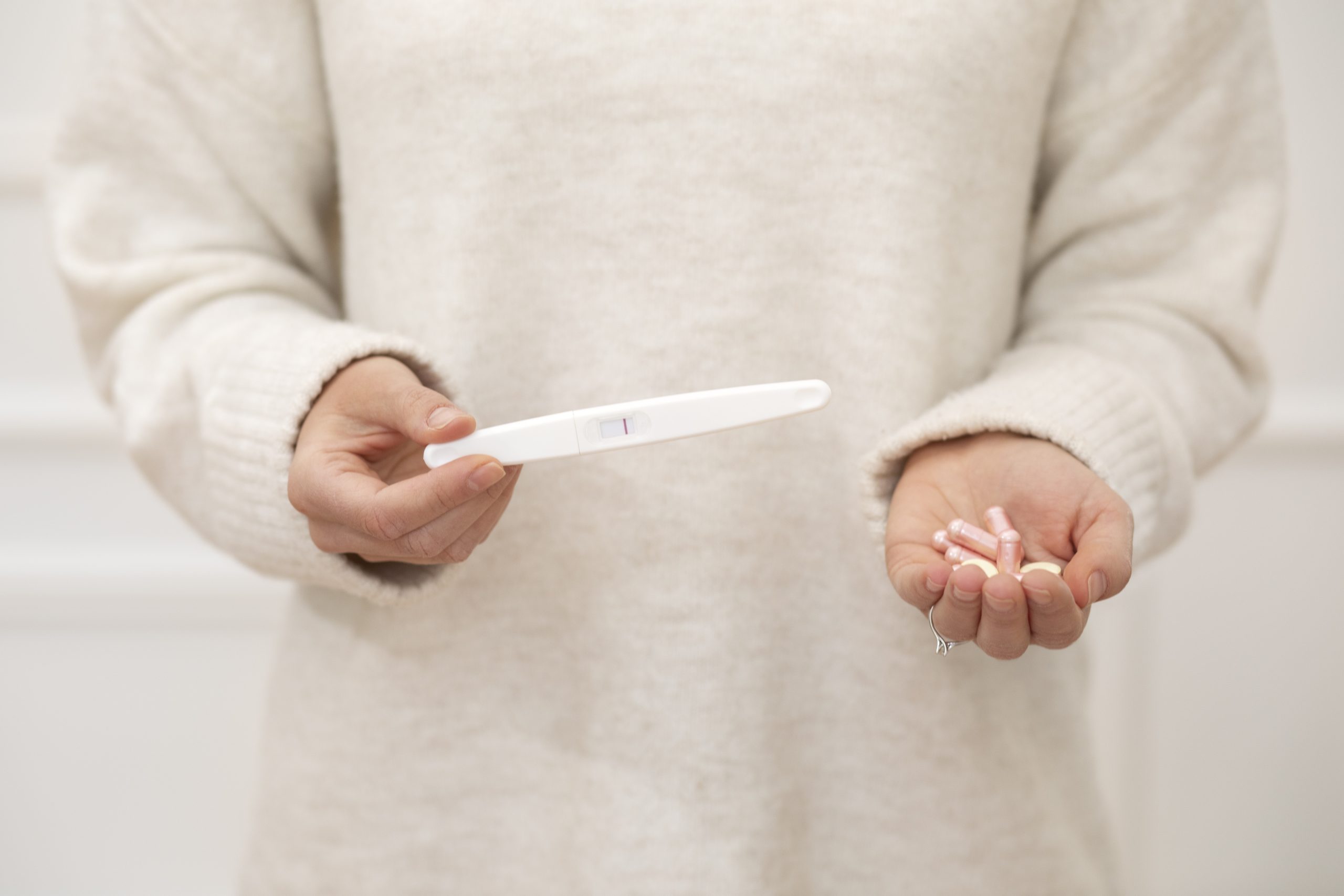

Folic acid is widely known as an essential vitamin during pregnancy, but its importance before pregnancy is often underestimated. Understanding folic acid benefits before pregnancy is a key step in preconception care and plays a crucial role in protecting the future fetus from preventable congenital anomalies.
Folic acid is the synthetic form of vitamin B9, a water-soluble B vitamin required for DNA synthesis, cell division, and tissue growth. It supports the renewal of body cells, including skin, hair, and nail cells, and is particularly vital during periods of rapid cell multiplication—such as the earliest stages of pregnancy.
What many women don’t realize is that pregnancy does not begin biologically at the moment of a positive test. Critical stages of fetal development start earlier, making preparation before conception essential.
The earliest weeks after conception are the most sensitive phase of fetal development. During this time, the embryonic neural tube forms—the structure that later develops into the brain and spinal cord.


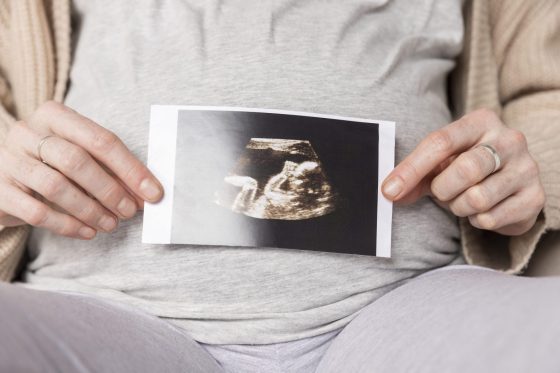
If folic acid levels are insufficient during this short window, the risk of serious neural tube defects increases significantly. Because many pregnancies are unplanned or recognized late, health authorities recommend that women of reproductive age who may become pregnant ensure adequate folic acid intake in advance.
Taking folic acid before pregnancy helps create a healthy biological environment for early embryonic development and supports proper cell division from the very first days.
Medical guidelines recommend the following doses:
It is important not to self-prescribe higher doses unless advised by a healthcare provider, as supplementation should be tailored to individual medical history.

In clinical practice, many women begin supplements only after confirming pregnancy. However, most neural tube defects develop before the first prenatal appointment. This is why modern maternal care emphasizes preconception health, not only prenatal care.
Preparing the body before pregnancy allows nutrient stores, hormonal balance, and metabolic health to support early embryonic development without delay.
A lack of folic acid before or during early pregnancy increases the risk of several congenital conditions, including:
These conditions are largely preventable with adequate folic acid intake before pregnancy.
If you are preparing for marriage as well as future motherhood, our
Bridal Boot Camp Program— provides education on body awareness, intimacy, emotional readiness, and health foundations that support both marital and reproductive well-being.
No. Folic acid does not stimulate ovulation, improve fertility, or increase the chances of conception.
Its role is preventive and protective, ensuring that if pregnancy occurs, early development is supported.

Excess weight before pregnancy is associated with higher risks of:
If you are overweight, working with a nutritionist before conception can help establish sustainable habits that support fertility and pregnancy health. Increased weight may also delay conception.
Even if your weight is within a normal range, food quality matters. A nutrient-rich diet helps provide essential vitamins and minerals needed before pregnancy.
Focus on:
For a structured and practical approach, you can refer to our Preparing for Pregnancy – Free Guide, which covers nutrition, supplements, and lifestyle readiness in detail.
Strengthening your body before pregnancy supports posture, endurance, and recovery. Exercise is particularly beneficial for the back, pelvic floor, and abdominal muscles.
Yoga and low-impact training can:
These benefits extend into pregnancy and postpartum recovery.
Yoga and relaxation techniques can help reduce symptoms of hormonal imbalance, regulate stress hormones, and improve overall well-being before conception.
Explore our program “14 Yoga Sessions for Better Sexual Life” designed to enhance body awareness, relaxation, pelvic connection, and mind–body balance—all of which support preconception health.
Smoking before pregnancy increases the risk of:
Quitting before conception significantly improves outcomes for both mother and baby.
Mental health is an essential component of reproductive health. Chronic stress and anxiety may affect hormonal balance and overall well-being.
Preparing emotionally before pregnancy may involve:
Taking care of your mental health before pregnancy is an investment in both maternal and fetal health.
Excessive alcohol and caffeine consumption place stress on the body and may negatively affect early pregnancy health.
Reducing intake before pregnancy supports a healthier internal environment for conception and development.
At least three months before conception to ensure adequate levels during early fetal development.
While folate-rich foods are beneficial, supplementation is still recommended to guarantee sufficient intake.
Yes. Folic acid is safe at recommended doses for women of reproductive age.
Yes. Folic acid is usually continued throughout pregnancy as part of prenatal supplementation.
No. Some women may require higher doses based on medical history and should consult their healthcare provider.
This article is for educational purposes only and does not replace personalized medical advice.
Folic acid dosage and preconception care should be individualized based on medical history and risk factors.
Always consult your healthcare provider for tailored guidance.
Don’t neglect your body. Start preparing early, take folic acid, reduce stress, and support your physical and mental health—because a healthy pregnancy begins long before conception.
At Metle Metlik, we’re here to guide you with evidence-based programs, compassionate community, and open conversations.
✨ Explore our programs | 🎧 Listen to our podcast | 📩 Subscribe to our newsletter
✨ Explore our programs | 🎧 Listen to our podcast | 📩 Subscribe to our newsletter



Enter your email address